


5 Ways to Relieve Feet Pain in 2026 (Expert Guide)

April 2, 2026

Feet pain is typically caused by age-related changes such as the loss of protective fat padding, arthritis, or chronic conditions like plantar fasciitis. To relieve discomfort, use supportive footwear, custom orthotics, and daily stretching. For persistent pain, a board-certified podiatrist can provide advanced treatments like laser therapy to restore mobility.

Why is feet pain more common as we get older?

As we age, our bodies undergo significant physiological changes, and our feet are no exception. For many seniors in the Newport News and Hampton areas, feet pain becomes a daily struggle that can limit social activities and physical exercise. Understanding why this happens is the first step toward finding lasting relief. One of the primary reasons for increased foot discomfort is the natural thinning of the fat pads on the soles of the feet. This cushioning provides shock absorption during every step, and as it diminishes, the bones and ligaments are subjected to more direct pressure.

Furthermore, the wear and tear of decades of movement can lead to osteoarthritis, where the cartilage in the joints of the foot and ankle begins to break down. This often results in stiffness and localized pain that is most noticeable in the morning or after long periods of rest. Additionally, the skin on the feet becomes thinner and less elastic, making it more prone to issues like calluses and corns which can further exacerbate the sensation of pain.

Circulation issues also play a critical role in foot health for the older demographic. Conditions like peripheral artery disease (PAD) can reduce blood flow to the lower extremities, slowing the healing process for minor injuries and causing a dull, aching sensation. By recognizing these natural changes, patients can better appreciate the need for professional general foot & ankle care to maintain their quality of life.

Senior Mobility

Common Causes of Chronic Foot Discomfort

While general aging contributes to discomfort, several specific medical conditions are frequently responsible for chronic feet pain. Identifying the source of your pain is essential for selecting the correct treatment pathway at Affiliated Podiatrists . Here are some of the most common culprits:

  • Plantar Fasciitis: This is characterized by sharp pain in the heel, particularly during the first steps of the day, caused by inflammation of the thick band of tissue connecting the heel bone to the toes.
  • Bunions: These bony bumps form on the joint at the base of the big toe, often resulting from years of wearing narrow shoes or genetic predispositions.
  • Hammertoes: An abnormal bend in the middle joint of a toe, which can cause significant irritation and pain when wearing standard footwear.
  • Heel Pain: Beyond plantar fasciitis, heel pain can be caused by bursitis or stress fractures that require specialized diagnostic tools.
  • Fungal Toenails: While often seen as a cosmetic issue, thickened fungal nails can press against shoes, leading to secondary pain and discomfort.

For those managing long-term health challenges, diabetic foot care is of paramount importance. Diabetes can lead to neuropathy, where the sensation in the feet is lost, making it difficult to feel small injuries that could escalate into serious infections or ulcers. Regular checkups are necessary to prevent these complications and ensure that feet pain does not lead to permanent damage.

How can you tell if your foot pain is serious?

It can be tempting to dismiss feet pain as a normal part of getting older, but certain symptoms indicate that professional intervention is required. If your discomfort is preventing you from performing daily tasks or if you find yourself modifying your gait to avoid pain, it is time to visit a specialist. Ignoring persistent symptoms can lead to compensatory injuries in the knees, hips, and lower back.

Signs that your foot condition requires immediate medical attention include:

  1. Visible swelling or redness around a joint that does not subside with rest.
  2. An inability to put weight on the foot without intense, sharp pain.
  3. Numbness, tingling, or a "pins and needles" sensation that persists.
  4. Open sores or wounds that are slow to heal, especially for diabetic patients.
  5. A noticeable change in the shape of the foot or the alignment of the toes.

Early diagnosis often means more conservative treatment options remain available. For instance, addressing an ingrown toenail early can prevent the need for more invasive procedures later. Our team focuses on providing a comprehensive evaluation to determine the root cause of your symptoms, ensuring you receive a personalized recovery plan.

Professional Treatments for Long-Term Relief

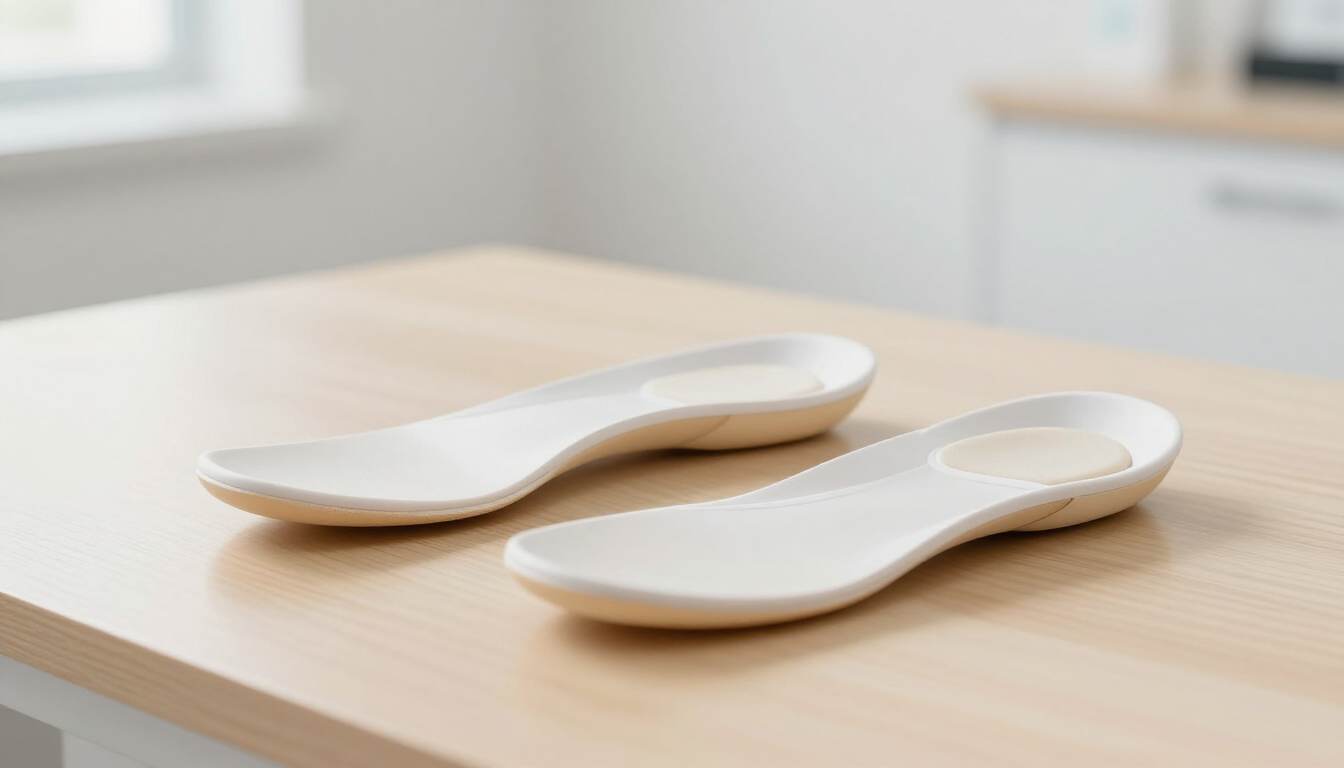
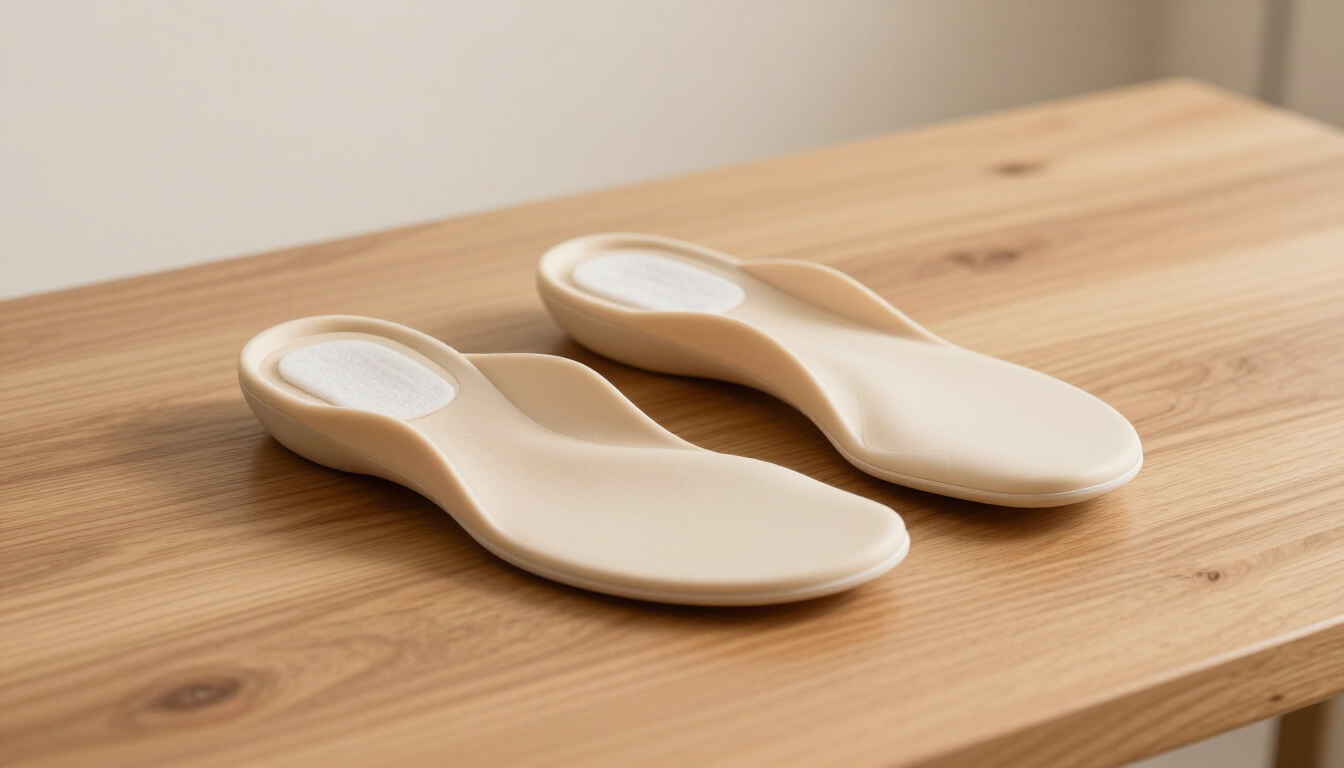
Modern podiatry offers a wide range of solutions that go far beyond simple pain management. At Affiliated Podiatrists, we utilize advanced technologies to treat the underlying causes of feet pain. One of the most effective non-invasive tools available today is custom orthotics . Unlike over-the-counter inserts, these are medical devices custom-molded to your feet to correct biomechanical imbalances and redistribute pressure.

Custom Orthotics

In addition to biomechanical corrections, we offer specialized therapies for chronic conditions. For patients suffering from fungal infections or certain types of inflammatory pain, foot & ankle laser therapy provides a safe, drug-free alternative to traditional treatments. This technology uses specific wavelengths of light to penetrate the tissue or nail, promoting healing and eliminating fungal pathogens without the side effects associated with oral medications.

When conservative measures such as physical therapy, wound care , and lifestyle adjustments are not enough, our board-certified surgeons are experts in foot & ankle surgery . Surgical intervention can correct structural issues like severe bunions or hammertoes, allowing patients to return to an active lifestyle. We prioritize a patient-centered approach, discussing all available options to ensure you feel comfortable with your care plan.

What are the best home remedies for feet pain?

While professional care is essential for chronic issues, there are several steps you can take at home to manage minor feet pain and support your overall foot health. Consistency is key when it comes to home-based care, especially for the older demographic whose tissues may take longer to recover from daily strain. Implementing a routine that includes stretching and proper hygiene can make a significant difference in your comfort levels.

  • The RICE Method: Rest, Ice, Compression, and Elevation remain the gold standard for managing acute inflammation and minor swelling after a long day of walking.
  • Daily Stretching: Focus on the calf muscles and the plantar fascia; simple towel stretches or rolling your foot over a cold water bottle can alleviate tension.
  • Moisturizing: Keep the skin on your feet hydrated to prevent cracking, but avoid putting lotion between the toes to minimize the risk of fungal growth.
  • Footwear Audits: Regularly check your shoes for wear. If the soles are uneven or the interior support has collapsed, it is time to replace them.
  • Epsom Salt Soaks: A warm soak can help relax tired muscles and soften the skin for easier management of calluses and corns.

When should you see a foot doctor in Newport News?

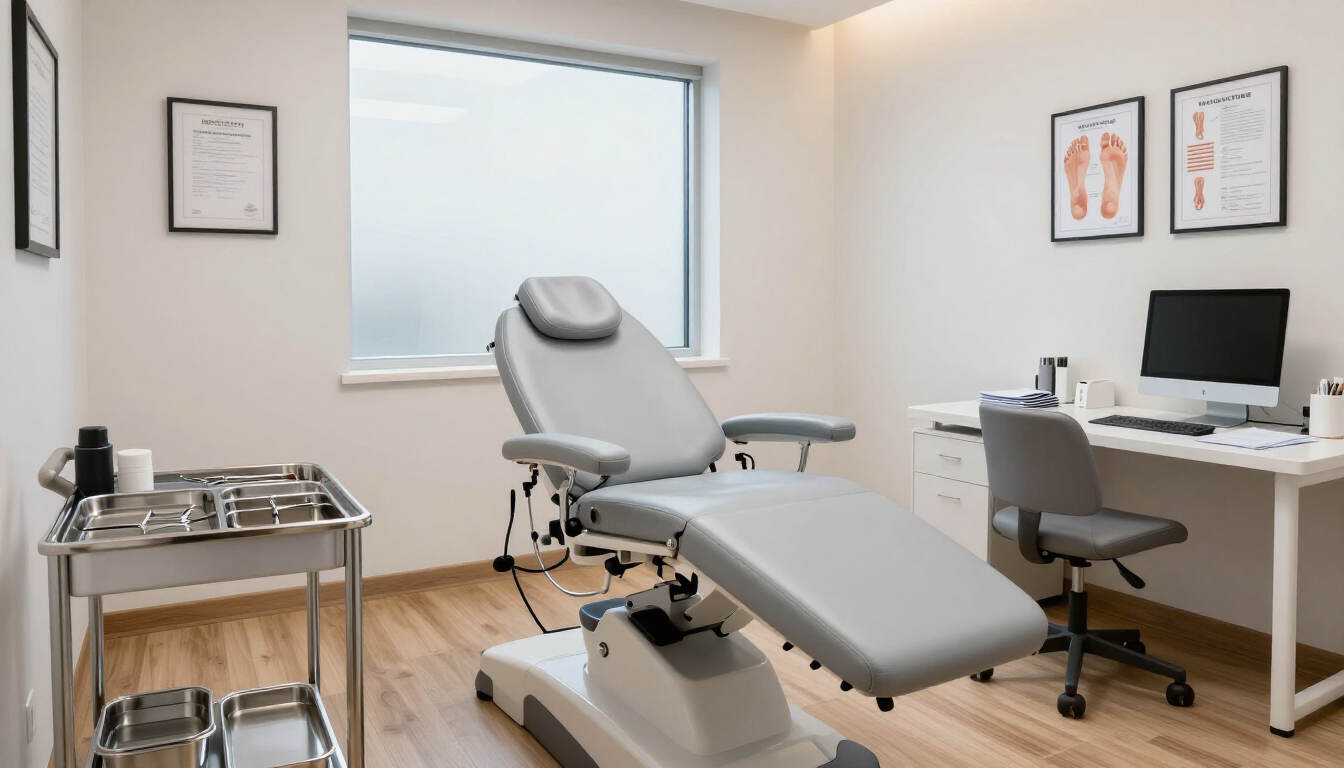
If you live in the Hampton Roads region and are struggling with persistent feet pain, visiting a specialist is the most effective way to regain your mobility. Dr. Howard Roesen and the team at Affiliated Podiatrists are dedicated to serving the local community with expert care. Whether you are a new patient or a returning one, our goal is to provide a welcoming environment where your concerns are heard and addressed with the latest medical expertise.

Podiatry Office

We offer two convenient locations to serve you: our Newport News Office and our Hampton Office . Our clinics are equipped with modern diagnostic tools to ensure accurate assessments of everything from sports injuries to pediatric foot & ankle care for visiting grandchildren. Do not let foot discomfort dictate your schedule; professional help is just a phone call away.

Summary and Key Takeaways

Managing feet pain effectively requires a combination of proactive home care and expert medical intervention. By addressing the changes that come with aging and seeking help for specific conditions like plantar fasciitis or bunions, you can significantly improve your daily comfort and long-term health.

  • Prioritize Support: Wear shoes that offer arch support and consider orthotics for better alignment.
  • Act Early: Seek help if you notice swelling, persistent pain, or changes in foot shape.
  • Explore Modern Therapy: Ask about laser treatment for toenail fungus and other advanced options.
  • Stay Active: Use stretches and low-impact exercise to maintain joint flexibility and circulation.

For more information or to schedule an appointment, please visit our Contact page today. Your journey toward pain-free movement starts with a single step into our office.

By VIV Builder April 9, 2026
Stay active and pain-free this Foot Health Awareness Month. Learn about heel pain, orthotics, diabetic foot care, and sports injury treatment options.

Senior patient receiving foot care from a professional podiatrist
April 2, 2026
Learn how to manage common foot pain, bunions, and diabetic foot issues as you age. Discover how a professional podiatrist in Newport News VA and Hampton VA can help you stay active, mobile, and pain-free in 2026.

By VIV Builder April 1, 2026
Achilles tendonitis can develop gradually, causing heel pain and stiffness that worsens over time. Learn the warning signs and how a podiatrist can help you get back on your feet.
By VIV Builder March 5, 2026
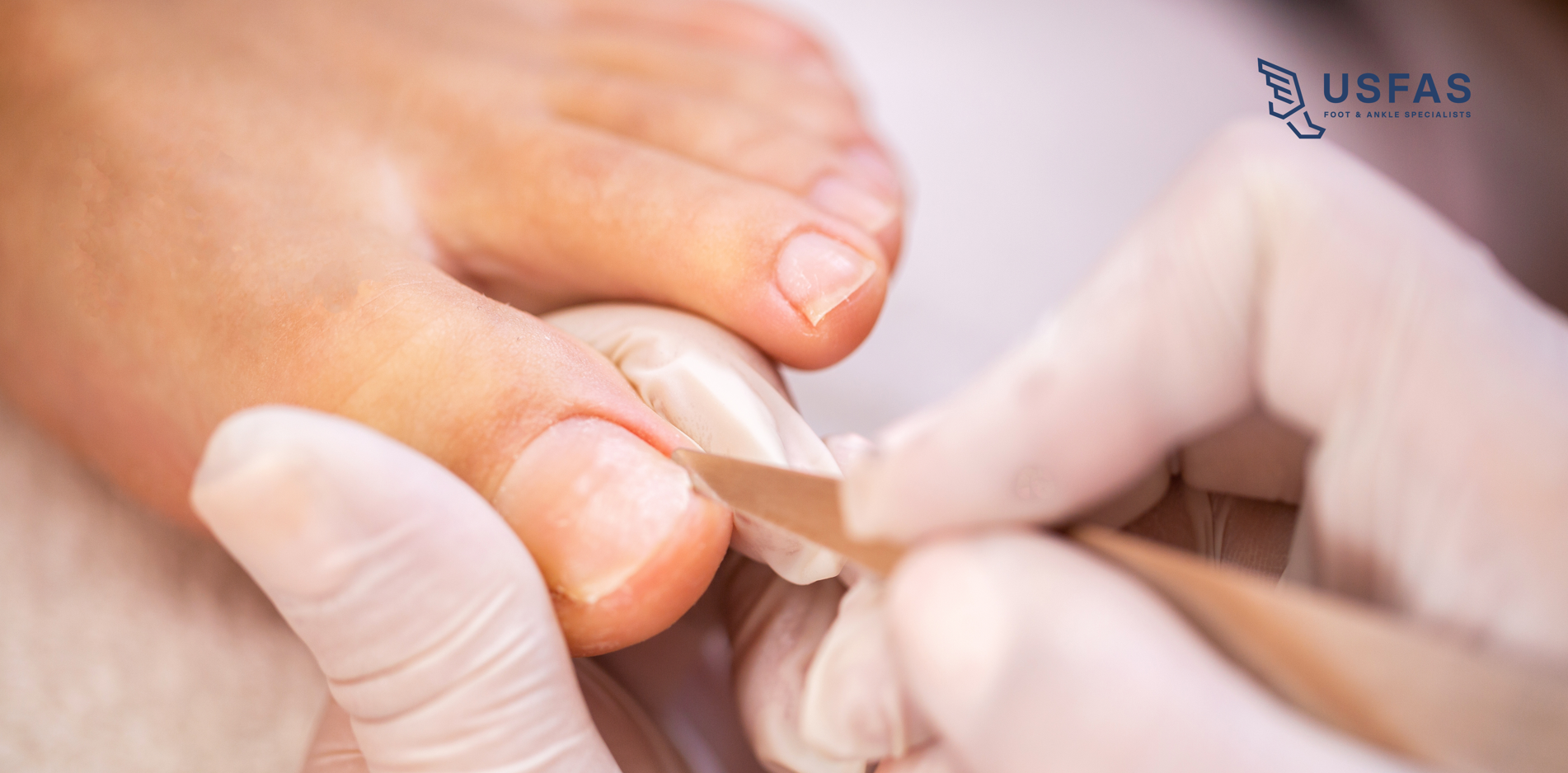
Ingrown toenails are a common foot condition that can start as a minor irritation and quickly become painful. Learn more about how we can help with ingrown toenails.
By VIV Builder February 19, 2026
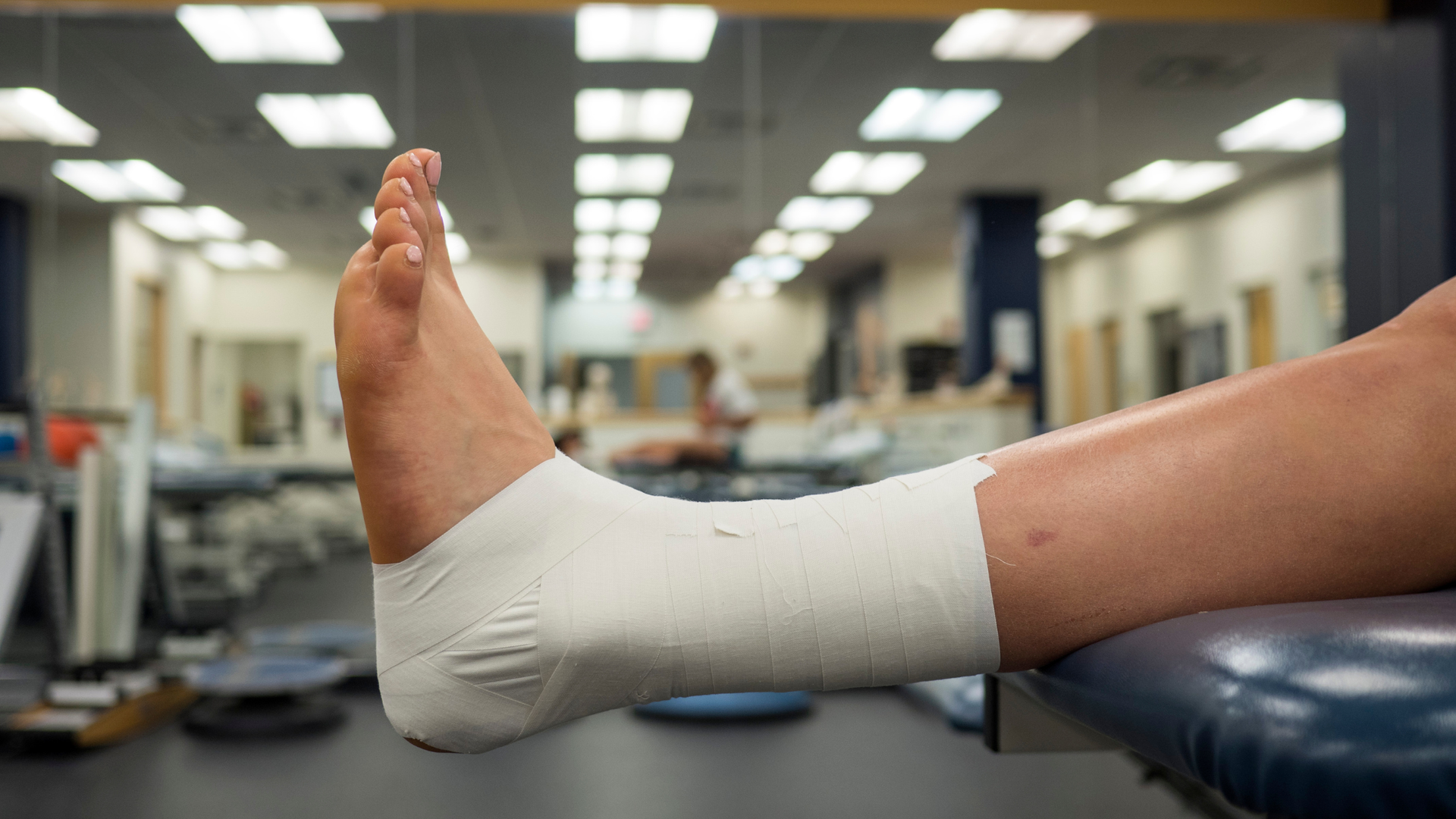
Ankle sprains are one of the most common foot and ankle injuries, yet they're often brushed off as no big deal. The truth is, even a mild sprain deserves proper care.
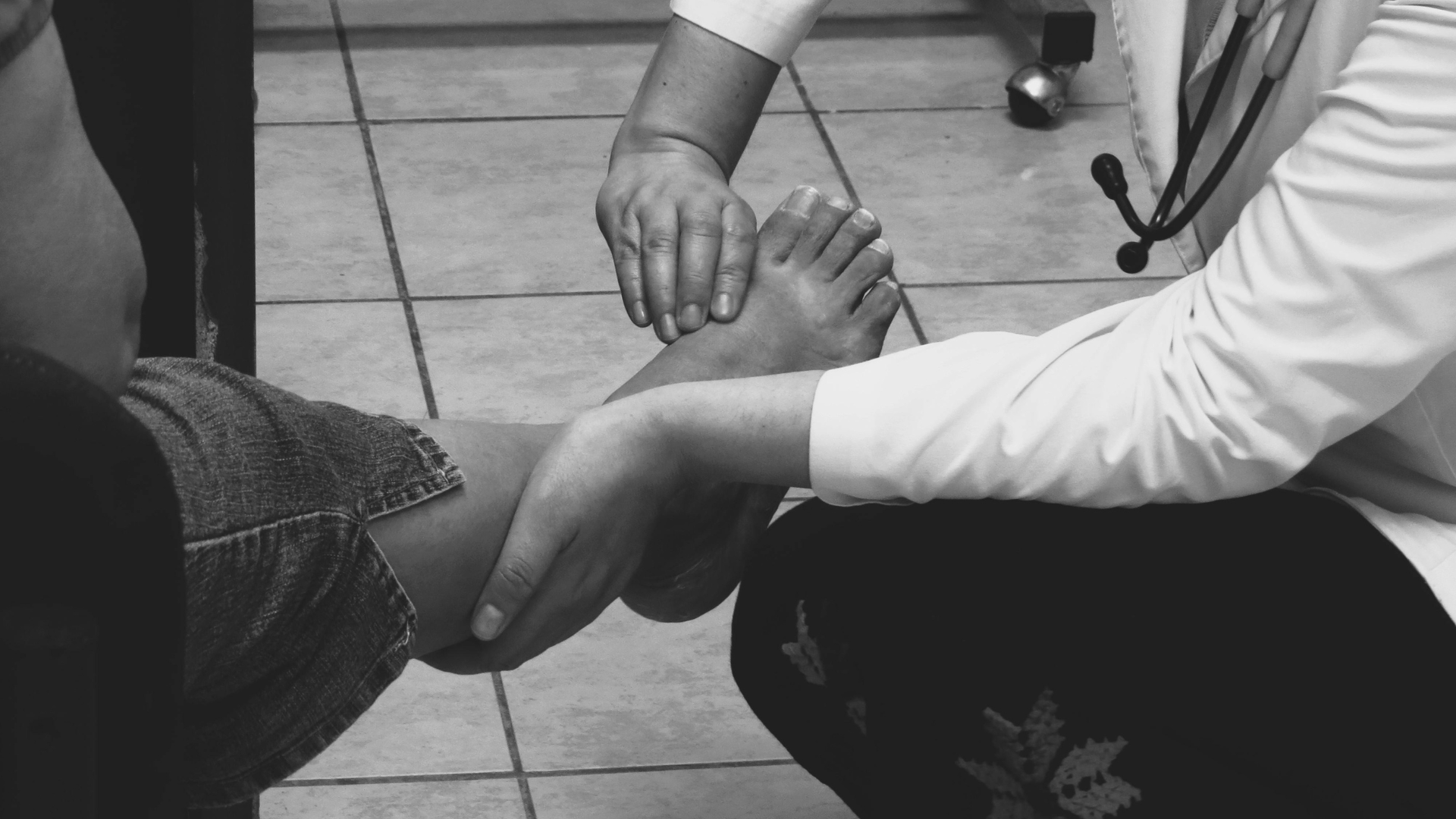
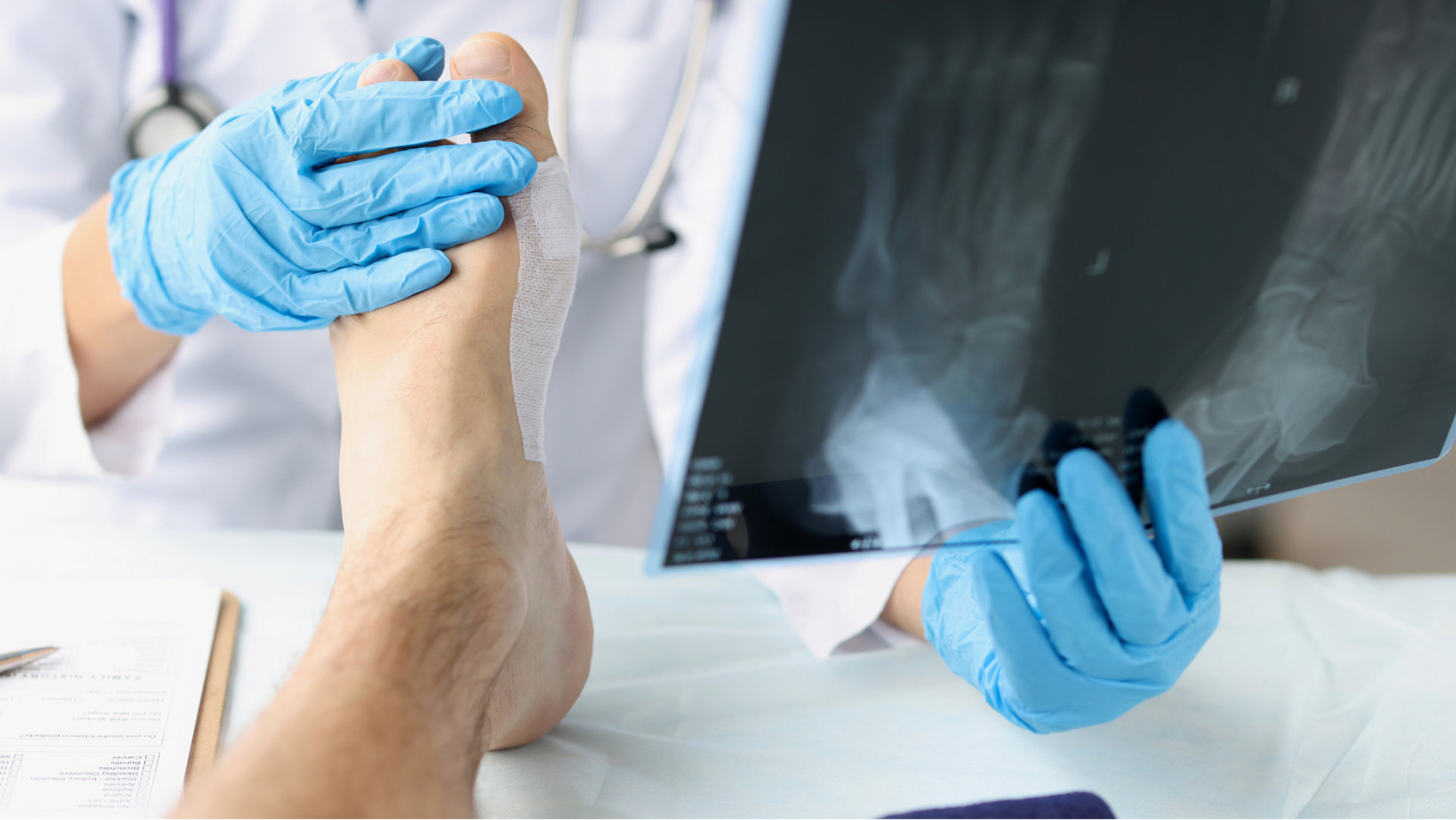
Show Your Feet Some Love This February
By VIV Builder February 5, 2026
Show Your Feet Some Love This February
What is a Podiatrist?
By VIV Builder January 23, 2026
Understanding Podiatry Many people experience foot or ankle pain at some point, but they are not always sure where to turn for care. A podiatrist is a medical doctor who specializes in diagnosing and treating conditions of the foot and ankle. Their goal is to help patients move comfortably, stay active, and avoid pain that interferes with daily life. Podiatrists receive specialized medical training focused entirely on the feet and ankles. Because these areas support the entire body, even minor issues can have a big impact if left untreated. What Conditions Do Podiatrists Treat? Podiatrists treat a wide range of foot and ankle conditions for patients of all ages. From common concerns like heel pain and ingrown toenails to more complex issues such as sports injuries and diabetic foot conditions, podiatrists are trained to handle both routine and advanced care. They also address structural problems, skin and nail conditions, and injuries that affect mobility. By identifying the root cause of foot or ankle pain, podiatrists help patients find long-term relief rather than temporary fixes. When Should You See a Podiatrist? Foot pain is not something you have to live with. If you notice ongoing discomfort, changes in how you walk, or issues with your toenails or skin, it may be time to see a podiatrist. Early care can help prevent small problems from becoming more serious and can reduce recovery time. Patients with diabetes should also see a podiatrist regularly to help prevent complications and maintain foot health. What to Expect During Your Visit During a podiatry appointment, your provider will take time to understand your symptoms and lifestyle. They will examine your feet and ankles and may recommend imaging or other tests if needed. Based on their findings, they will create a personalized treatment plan tailored to your needs. Many podiatry treatments can be done in the office, allowing patients to return to normal activities quickly. Why Foot Health Matters Your feet play a major role in your overall health. Ongoing foot or ankle pain can lead to posture changes and strain on the knees, hips, and lower back. Proper foot care helps keep your entire body moving the way it should. Seeing a podiatrist is an important step in maintaining mobility and preventing future problems. Take the Next Step Toward Better Foot Health If foot or ankle pain is affecting your daily life, a podiatrist can help. With the right care and treatment, many conditions can be managed or resolved. Scheduling an appointment with a podiatrist is a simple step that can make a lasting difference in your comfort and mobility.
Orthotics
By VIV Builder July 17, 2025
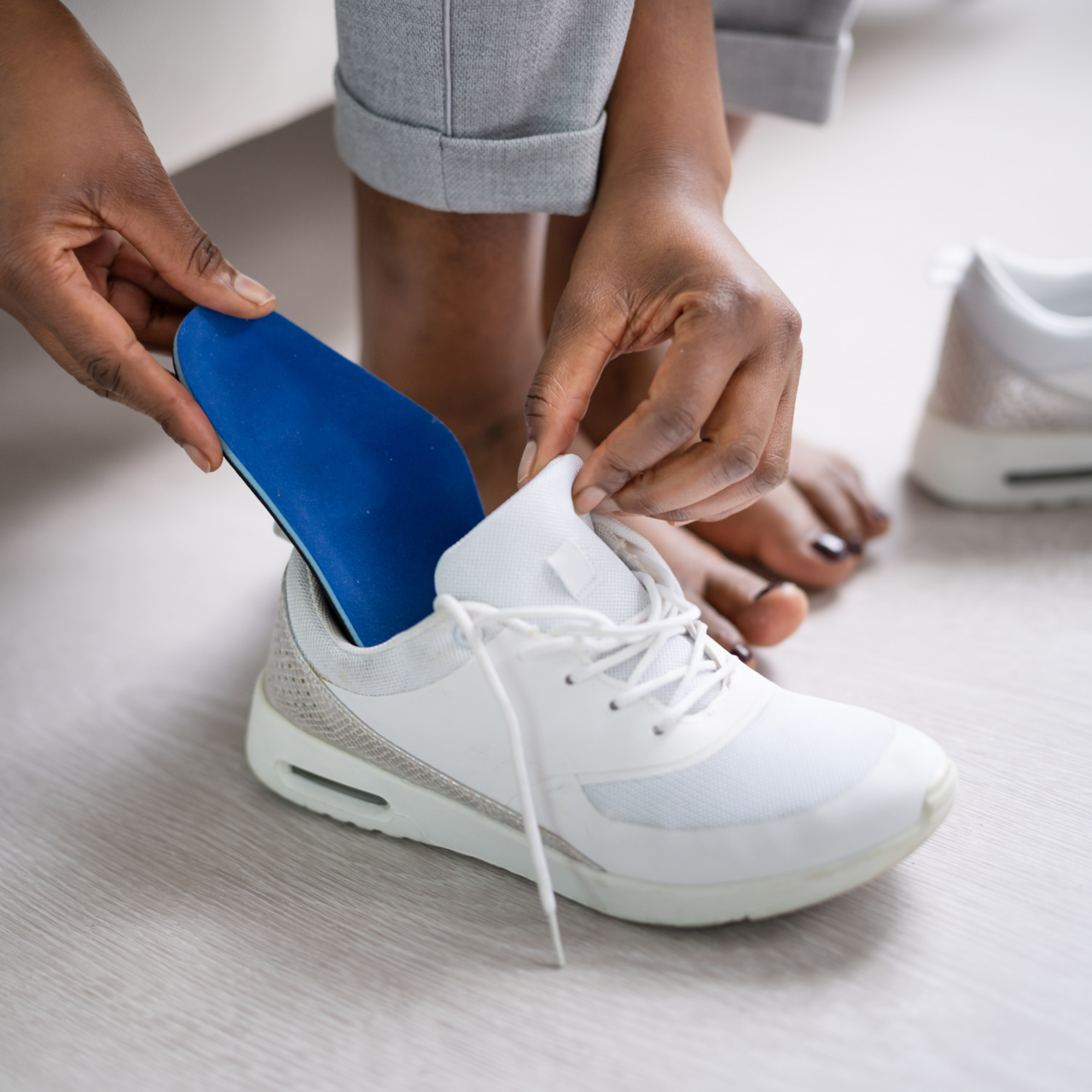
Your feet are the foundation of your entire body — when they’re not properly supported, it can lead to pain not just in your feet, but in your ankles, knees, hips, and back, too. That’s where custom orthotics come in!  What Are Custom Orthotics? Custom orthotics are medical-grade shoe inserts that are specifically designed for your unique feet, gait, and needs. Unlike over-the-counter insoles, custom orthotics are crafted based on a detailed assessment by your podiatrist, ensuring the perfect fit and support for your lifestyle. Who Can Benefit from Custom Orthotics? Custom orthotics can help people with: ✅ Flat feet or high arches ✅ Plantar fasciitis or heel pain ✅ Bunions or hammertoes ✅ Arthritis ✅ Sports injuries ✅ Foot, ankle, knee, hip, or lower back pain caused by poor alignment How Do They Work? Custom orthotics work by redistributing pressure and correcting misalignments, which helps your feet function properly and comfortably. They can also help prevent future problems by providing the support you need with every step. Ready to Feel the Difference? If you’re experiencing foot or lower body pain, custom orthotics may be the solution you’ve been looking for. Schedule an appointment today and let our foot specialists help you step into lasting comfort and support!
A woman is walking down a path in a park.
By VIV Builder April 10, 2025
Your feet are the foundation of your body, supporting you with every step you take. We understand that maintaining foot health is crucial to your overall well-being and mobility. In honor of April being National Foot Health Awareness Month, this blog explores why foot health should never be overlooked and provides tips for keeping your feet healthy. Why Foot Health Matters The human foot is a complex structure of 26 bones, 33 joints, and over 100 muscles, tendons, and ligaments. This intricate design allows for movements such as walking, running, and jumping. However, it also means that many things can go wrong if not cared for properly. Poor foot health can lead to a range of issues from simple aches and pains to more severe conditions like plantar fasciitis or diabetic neuropathy. Moreover, problems in your feet can affect other parts of your body, including your knees, hips, and back. Tips for Maintaining Healthy Feet Regular Check-ups: Just like regular dentist visits, regular check-ups with a podiatrist, especially during National Foot Health Awareness Month, can help catch foot problems before they become serious. Proper Footwear: Wear shoes that fit well and provide good support. Different activities require different types of shoes – what you wear for running is not suitable for a day at work. Foot Hygiene: Wash your feet daily, dry them thoroughly to prevent infections, and change socks daily. Stay Active: Regular exercise helps keep your feet and body healthy. Remember to stretch your feet and ankles before and after workouts. Manage Your Weight: Extra weight puts additional pressure on your feet, increasing the risk of foot disorders. Common Foot Conditions and Treatments Plantar Fasciitis: Often felt as heel pain, treated with exercises, proper footwear, and sometimes orthotics. Bunions: Misaligned big toe joints that can become swollen and tender. Treatment options include wearing comfortable shoes, pads, and in severe cases, surgery. Diabetic Foot Care: People with diabetes need to take extra care of their feet as poor blood circulation and nerve damage can lead to serious foot problems. We believe in a proactive approach to foot health. Whether you're an athlete, a busy professional, or enjoying retirement, taking good care of your feet is a step toward a healthier life. Celebrate National Foot Health Awareness Month with us and schedule an appointment today to learn how you can better care for your feet and enhance your overall wellness.
A person is holding their foot in pain.
By VIV Builder April 25, 2018
A Hammertoe is a deformity of the toe that causes the middle joint to bend, resembling the shape of a hammer. If you have hammertoes, you should seek medical attention. The sooner you seek treatment, the likelier it is that the problem won't get worse. Dr. Raymond DiPretoro Jr. and Dr. Aahba M. Suchak at Advanced Foot and Ankle Center in Newark and Wilmington, DE, are your podiatrists for the treatment of hammertoes.  About Hammertoes Hammertoes are painful deformities of the toes, and often affect the middle three toes. Initially, hammertoes may be flexible, but over time, they may become rigid and require surgery to straighten the toes. Because hammertoes are progressive, they should receive early medical attention, as they won't get better without some kind of intervention. Causes of Hammertoes Some causes of hammertoe are poorly fitting shoes, high heels, foot injuries, and medical conditions that affect the nerves and muscles, such as diabetes and arthritis. Women are more likely to develop hammertoes than men. The risk of developing a hammertoe increases with age. Genetics can also play a role in hammertoes, Hammertoes may run in families. Hammertoes can be a serious problem for diabetics and people with poor circulation. Symptoms of Hammertoes Deformity is usually the first symptom of hammertoe. Patients with hammertoes may have calluses or corns on the top of the middle joint of the toes or on the tips of the toes. They may feel pain in their toes and have difficulty finding footwear that is comfortable. At first, they may be able to move and straighten the deformed toes. Over time, they will no longer be able to move the deformed toes. Hammertoe Treatments in Newark and Wilmington Padding and taping is the first step in a treatment plan. Padding and taping the hammertoe prominence relieves the stress and pain and allows the patient to continue a normal, active life. Cortisone injections and anti-inflammatory medications can be prescribed to relieve pain and inflammation caused by the deformity. Custom-fitted shoe inserts called orthotics made by your foot doctor may ease your discomfort and prevent the worsening of the deformity. When the hammertoe is not resolved with the above methods, surgery may be necessary. Don't let a hammertoe knock you off your feet. If you have hammertoes, call Advanced Foot and Ankle Center at 555-555-555 today to schedule a consultation in Newark and Wilmington, DE. Our hammertoe treatments will ease your pain and help you get back to a normal, happy, and healthy life.
Show More