


5 Ways to Keep Your Feet Healthy This Summer (2026)

June 18, 2026

Summer foot care tips involve protecting your feet from heat-induced swelling, fungal infections, and sunburn. To maintain foot health in hot weather, prioritize wearing breathable footwear, applying sunscreen to the tops of your feet, staying hydrated, and changing socks frequently to manage moisture and prevent irritation or fungal growth.

Why do my feet swell in the summer heat?

It is incredibly common to notice your feet and ankles looking a bit puffy when the Virginia humidity spikes! This condition, known as heat edema, happens because your blood vessels dilate to help cool your body down. In Newport News and Hampton, the combination of high temperatures and gravity can cause fluid to pool in your lower extremities. While it is usually temporary, it can be quite uncomfortable and make your favorite shoes feel tight.

To manage summer swelling, we recommend these enthusiastic steps:

  • Hydrate constantly: Drinking plenty of water helps your body flush out excess salt.
  • Get moving: Regular walking improves circulation and pumps fluid back toward your heart.
  • Elevate your feet: Take a 15-minute break to put your feet up above your heart level.
  • Reduce salt intake: High sodium can worsen fluid retention during heatwaves.
  • Wear compression: Light compression socks can be a game-changer for long summer days.

If you find that swelling is persistent or accompanied by pain, it’s always a great idea to schedule a session for general foot & ankle care to ensure everything is functioning perfectly!

Preventing Fungal Infections During Hot Weather

Summer is the prime season for fungi to thrive! Warm, damp environments like public pools, locker rooms, and even the inside of your sweaty sneakers are breeding grounds for athlete’s foot and fungal toenails . At Affiliated Podiatrists, we see a surge in these cases as soon as the weather warms up, but the good news is that they are highly preventable with the right habits.

photorealistic person relaxing outdoors with feet up on a deck sunny summer day hydrated and happy lifestyle

To keep your toes looking and feeling their best, follow these tips:

  • Never go barefoot: Always wear flip-flops in public showers or around the pool deck.
  • Choose the right socks: Look for moisture-wicking synthetic blends rather than 100% cotton.
  • Dry thoroughly: Make sure to dry between your toes after every swim or shower.
  • Rotate your shoes: Give your sneakers at least 24 hours to air out between uses.
  • Use antifungal spray: A quick spray in your shoes can prevent spores from taking hold.

If you are already struggling with discoloration or thickness, our laser treatment for toenail fungus offers a modern, non-invasive way to get back to clear nails!

How can I avoid blisters while walking in summer?

Nothing ruins a beautiful walk along the Noland Trail faster than a painful blister! Friction, heat, and moisture are the "triple threat" that causes the skin to break down and fluid-filled sacs to form. When your feet sweat, your skin becomes softer and more prone to damage from rubbing against your shoes. Preventing blisters is all about reducing that friction before it starts.

If you feel a "hot spot" developing, stop immediately and apply a bandage or moleskin. For those with sports injuries or structural issues like bunions , blisters can be even more frequent. Ensuring your shoes fit perfectly and using high-quality athletic socks can provide the barrier your skin needs to stay intact and pain-free all summer long!

Sun Protection for Your Feet and Ankles

Did you know the tops of your feet are one of the most forgotten spots for sunscreen? We often remember our faces and shoulders but leave our feet completely exposed while wearing sandals or lounging at the beach. Sunburn on the feet can be excruciatingly painful and increases your risk of skin cancer in a very vulnerable area.

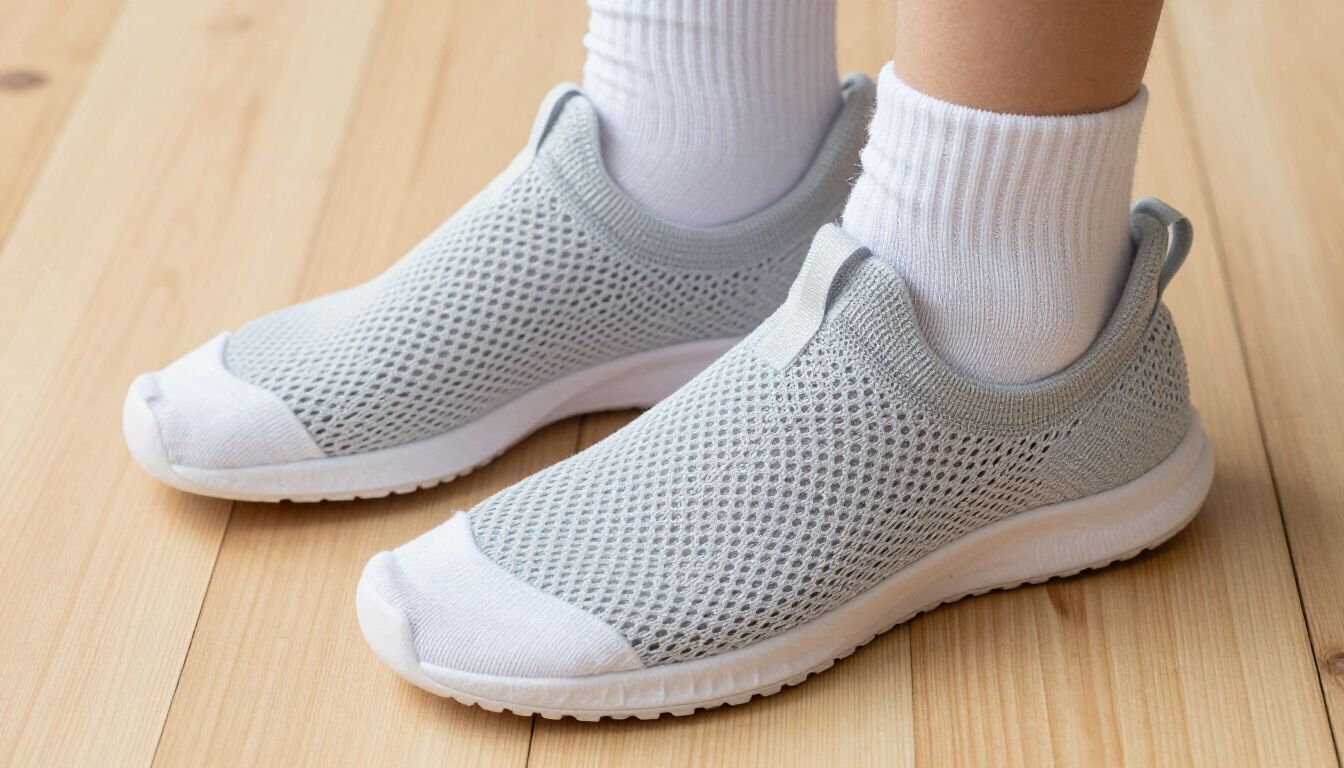
photorealistic close up of clean breathable athletic shoes and moisture wicking socks on a bright wooden floor

When applying your SPF 30 or higher, make sure to cover the entire top of the foot, the ankles, and even the soles if you’ll be lying face down. Reapply every two hours, especially if you’ve been dipping your toes in the water at Buckroe Beach! Protective clothing or water shoes can also offer a physical barrier against those intense UV rays.

What are the best shoes for summer foot health?

While we all love the ease of flip-flops, most cheap pairs offer zero arch support or shock absorption. Spending all summer in flat sandals can lead to severe heel pain or plantar fasciitis . The best summer footwear should have a firm sole, a contoured footbed, and straps that keep the shoe securely on your foot so your toes don't have to "grip" to stay in place.

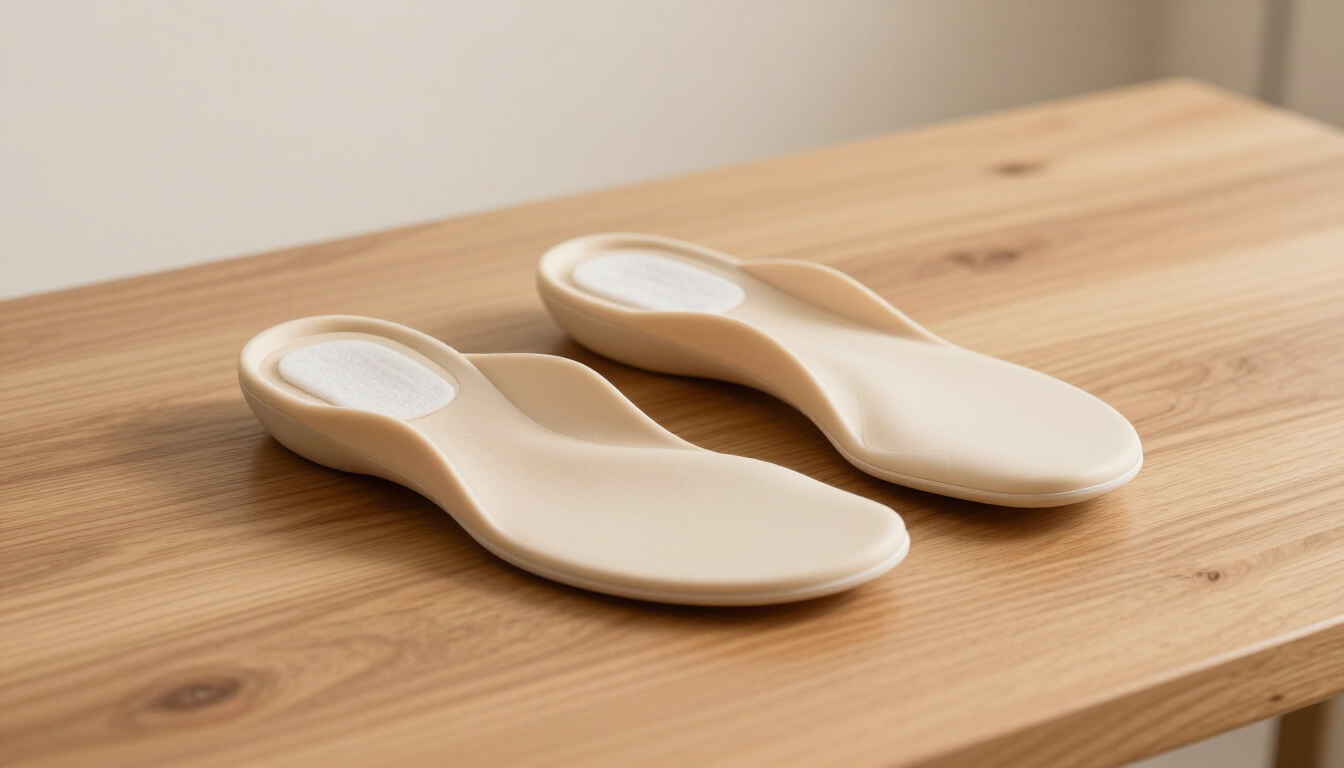
For many of our patients in Newport News and Hampton, orthotics can be integrated into high-quality summer sandals to provide the specific support their feet need. Don't sacrifice your long-term mobility for a temporary fashion trend! Investing in supportive footwear now will keep you active and comfortable through every outdoor adventure this year.

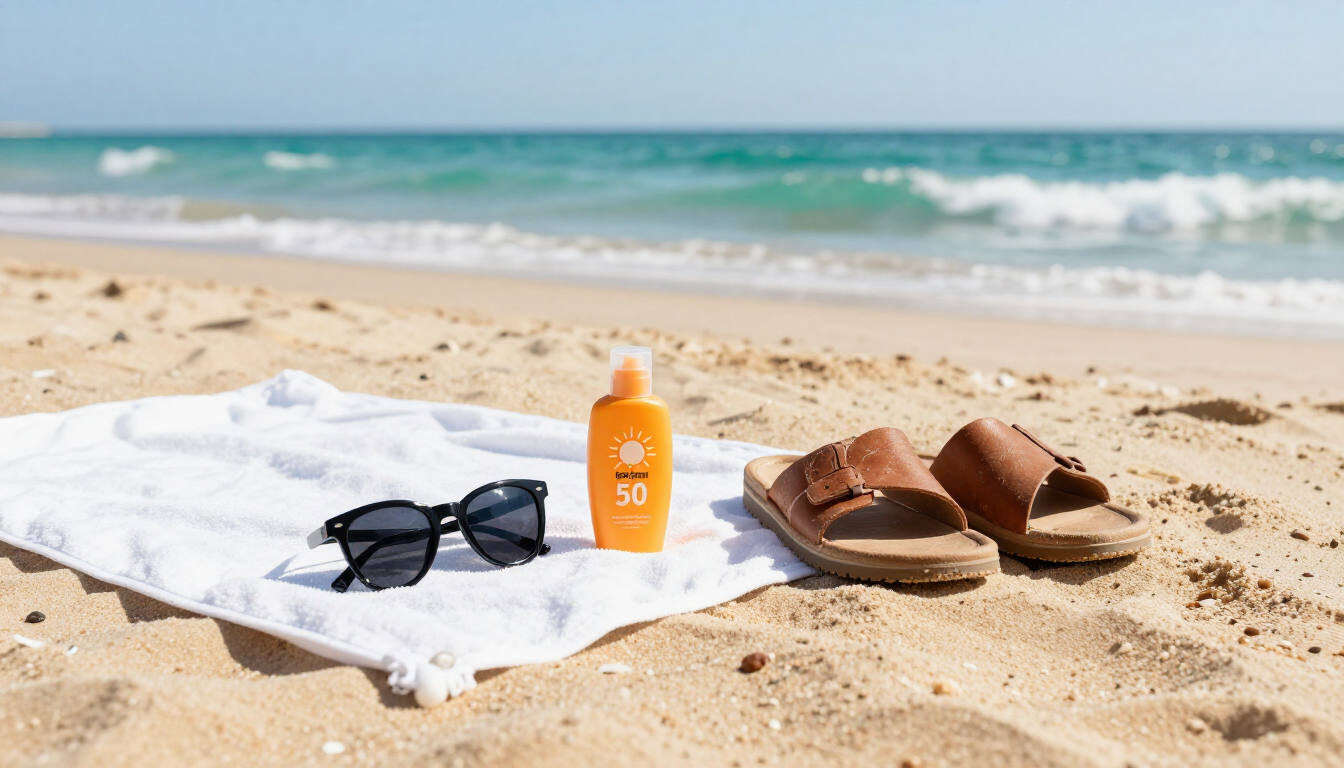
photorealistic vibrant beach scene with sunglasses sunscreen and sandals on a towel sunny vacation atmosphere

Essential Summer Takeaways for Happy Feet

Summer is a time for fun, but your feet deserve extra attention to handle the heat and activity! By following these summer foot care tips, you can avoid the most common seasonal pitfalls and stay on the move. Remember:

  • Prioritize Support: Wear sandals with arches to prevent heel pain.
  • Stay Dry: Keep moisture at bay to stop fungal infections before they start.
  • Protect Your Skin: Apply sunscreen to your feet just like the rest of your body.
  • Manage Swelling: Keep hydrated and elevate your feet to reduce heat-related puffiness.

If you experience any persistent pain or skin changes, the team at Affiliated Podiatrists is here to help! Please contact us at our Newport News or Hampton offices to schedule an evaluation. Let’s make this your most active and comfortable summer yet!

By VIV Builder April 9, 2026
Stay active and pain-free this Foot Health Awareness Month. Learn about heel pain, orthotics, diabetic foot care, and sports injury treatment options.

Relieving feet pain with supportive footwear
April 2, 2026
Stop living with chronic feet pain. Learn the common causes of foot discomfort in older adults and discover how professional podiatry care can restore your mobility in 2026.

Senior patient receiving foot care from a professional podiatrist
April 2, 2026
Learn how to manage common foot pain, bunions, and diabetic foot issues as you age. Discover how a professional podiatrist in Newport News VA and Hampton VA can help you stay active, mobile, and pain-free in 2026.
By VIV Builder April 1, 2026
Achilles tendonitis can develop gradually, causing heel pain and stiffness that worsens over time. Learn the warning signs and how a podiatrist can help you get back on your feet.
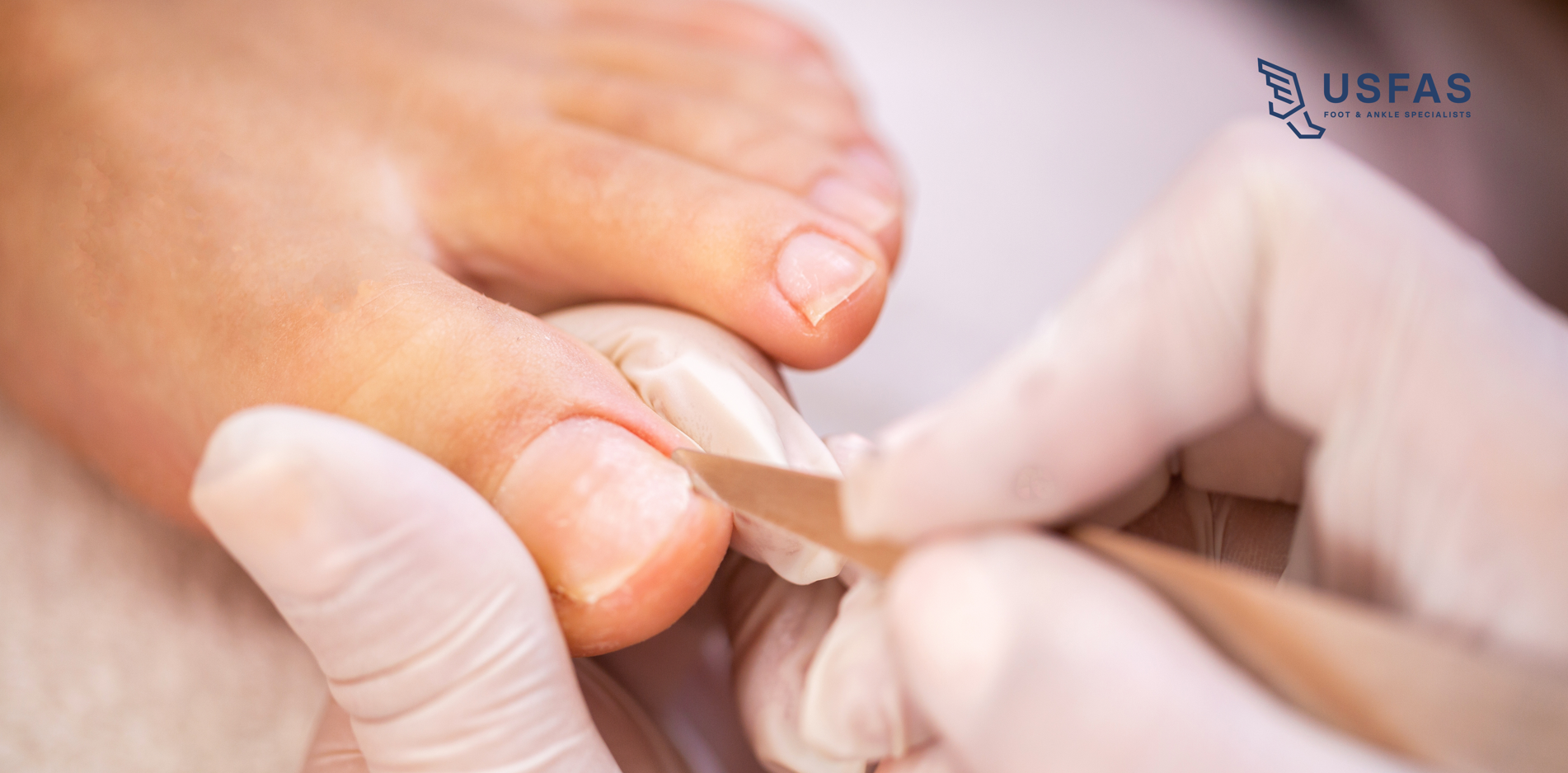
By VIV Builder March 5, 2026
Ingrown toenails are a common foot condition that can start as a minor irritation and quickly become painful. Learn more about how we can help with ingrown toenails.
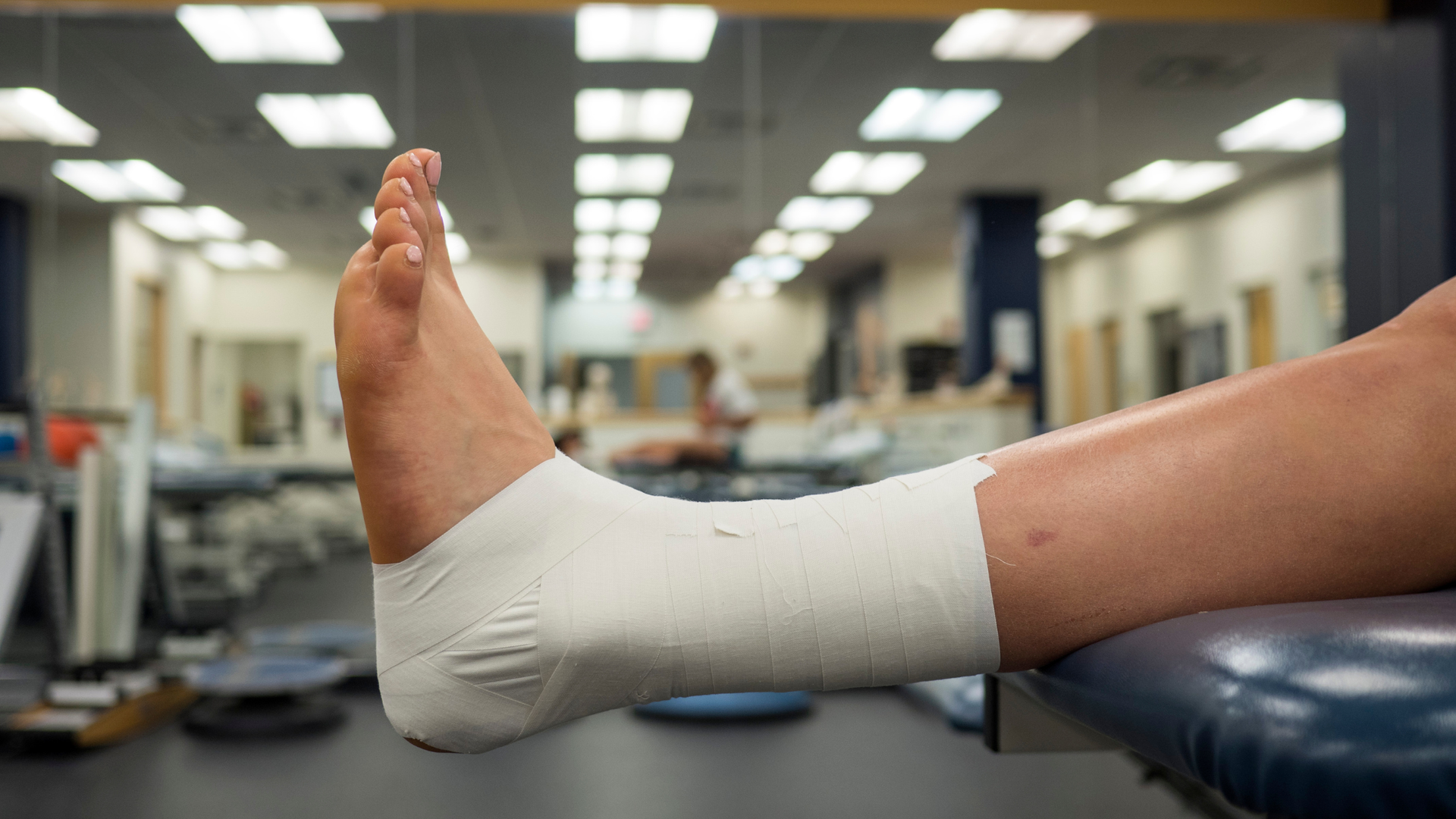
By VIV Builder February 19, 2026
Ankle sprains are one of the most common foot and ankle injuries, yet they're often brushed off as no big deal. The truth is, even a mild sprain deserves proper care.
Show Your Feet Some Love This February
By VIV Builder February 5, 2026
Show Your Feet Some Love This February
What is a Podiatrist?
By VIV Builder January 23, 2026
Understanding Podiatry Many people experience foot or ankle pain at some point, but they are not always sure where to turn for care. A podiatrist is a medical doctor who specializes in diagnosing and treating conditions of the foot and ankle. Their goal is to help patients move comfortably, stay active, and avoid pain that interferes with daily life. Podiatrists receive specialized medical training focused entirely on the feet and ankles. Because these areas support the entire body, even minor issues can have a big impact if left untreated. What Conditions Do Podiatrists Treat? Podiatrists treat a wide range of foot and ankle conditions for patients of all ages. From common concerns like heel pain and ingrown toenails to more complex issues such as sports injuries and diabetic foot conditions, podiatrists are trained to handle both routine and advanced care. They also address structural problems, skin and nail conditions, and injuries that affect mobility. By identifying the root cause of foot or ankle pain, podiatrists help patients find long-term relief rather than temporary fixes. When Should You See a Podiatrist? Foot pain is not something you have to live with. If you notice ongoing discomfort, changes in how you walk, or issues with your toenails or skin, it may be time to see a podiatrist. Early care can help prevent small problems from becoming more serious and can reduce recovery time. Patients with diabetes should also see a podiatrist regularly to help prevent complications and maintain foot health. What to Expect During Your Visit During a podiatry appointment, your provider will take time to understand your symptoms and lifestyle. They will examine your feet and ankles and may recommend imaging or other tests if needed. Based on their findings, they will create a personalized treatment plan tailored to your needs. Many podiatry treatments can be done in the office, allowing patients to return to normal activities quickly. Why Foot Health Matters Your feet play a major role in your overall health. Ongoing foot or ankle pain can lead to posture changes and strain on the knees, hips, and lower back. Proper foot care helps keep your entire body moving the way it should. Seeing a podiatrist is an important step in maintaining mobility and preventing future problems. Take the Next Step Toward Better Foot Health If foot or ankle pain is affecting your daily life, a podiatrist can help. With the right care and treatment, many conditions can be managed or resolved. Scheduling an appointment with a podiatrist is a simple step that can make a lasting difference in your comfort and mobility.
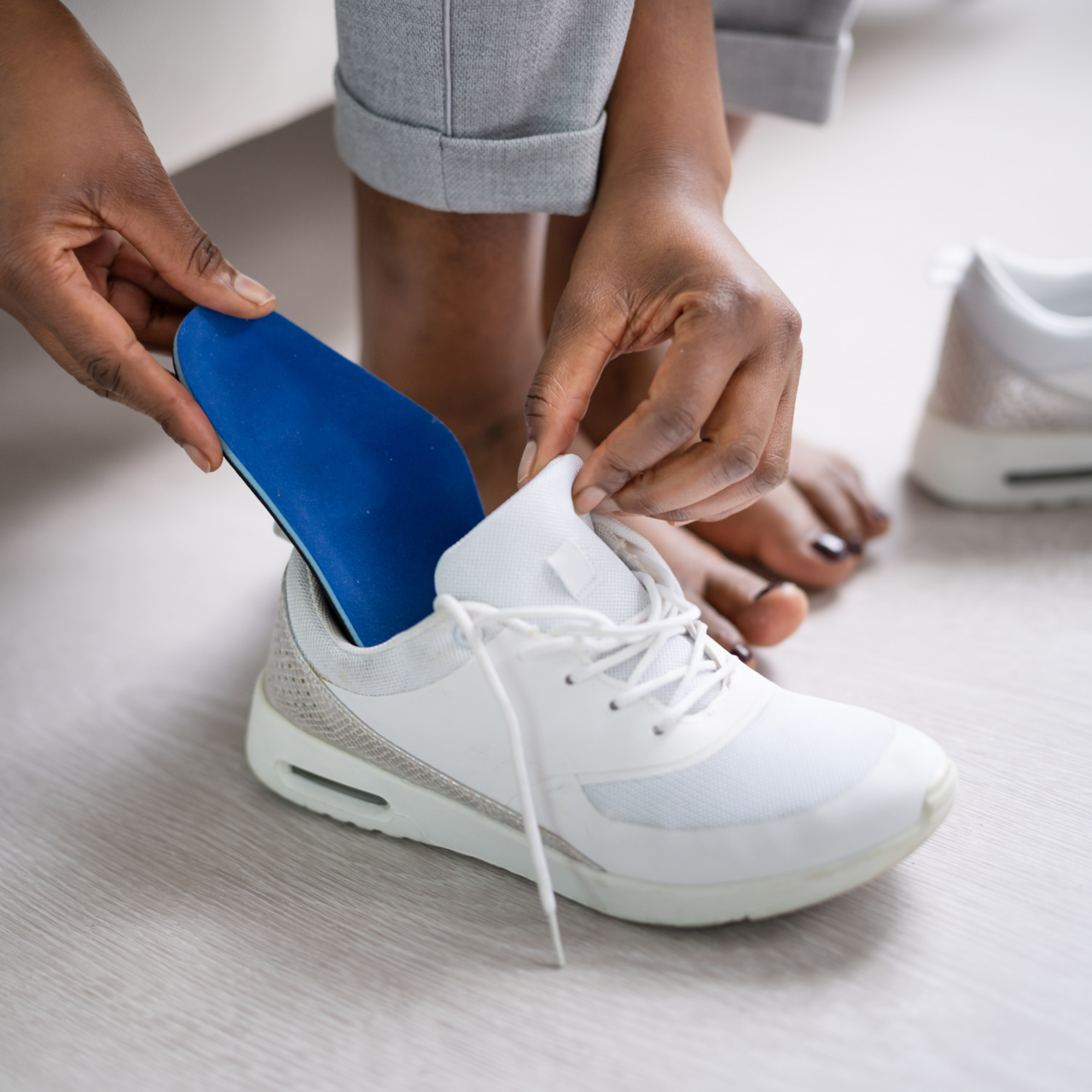
Orthotics
By VIV Builder July 17, 2025
Your feet are the foundation of your entire body — when they’re not properly supported, it can lead to pain not just in your feet, but in your ankles, knees, hips, and back, too. That’s where custom orthotics come in!  What Are Custom Orthotics? Custom orthotics are medical-grade shoe inserts that are specifically designed for your unique feet, gait, and needs. Unlike over-the-counter insoles, custom orthotics are crafted based on a detailed assessment by your podiatrist, ensuring the perfect fit and support for your lifestyle. Who Can Benefit from Custom Orthotics? Custom orthotics can help people with: ✅ Flat feet or high arches ✅ Plantar fasciitis or heel pain ✅ Bunions or hammertoes ✅ Arthritis ✅ Sports injuries ✅ Foot, ankle, knee, hip, or lower back pain caused by poor alignment How Do They Work? Custom orthotics work by redistributing pressure and correcting misalignments, which helps your feet function properly and comfortably. They can also help prevent future problems by providing the support you need with every step. Ready to Feel the Difference? If you’re experiencing foot or lower body pain, custom orthotics may be the solution you’ve been looking for. Schedule an appointment today and let our foot specialists help you step into lasting comfort and support!
A woman is walking down a path in a park.
By VIV Builder April 10, 2025
Your feet are the foundation of your body, supporting you with every step you take. We understand that maintaining foot health is crucial to your overall well-being and mobility. In honor of April being National Foot Health Awareness Month, this blog explores why foot health should never be overlooked and provides tips for keeping your feet healthy. Why Foot Health Matters The human foot is a complex structure of 26 bones, 33 joints, and over 100 muscles, tendons, and ligaments. This intricate design allows for movements such as walking, running, and jumping. However, it also means that many things can go wrong if not cared for properly. Poor foot health can lead to a range of issues from simple aches and pains to more severe conditions like plantar fasciitis or diabetic neuropathy. Moreover, problems in your feet can affect other parts of your body, including your knees, hips, and back. Tips for Maintaining Healthy Feet Regular Check-ups: Just like regular dentist visits, regular check-ups with a podiatrist, especially during National Foot Health Awareness Month, can help catch foot problems before they become serious. Proper Footwear: Wear shoes that fit well and provide good support. Different activities require different types of shoes – what you wear for running is not suitable for a day at work. Foot Hygiene: Wash your feet daily, dry them thoroughly to prevent infections, and change socks daily. Stay Active: Regular exercise helps keep your feet and body healthy. Remember to stretch your feet and ankles before and after workouts. Manage Your Weight: Extra weight puts additional pressure on your feet, increasing the risk of foot disorders. Common Foot Conditions and Treatments Plantar Fasciitis: Often felt as heel pain, treated with exercises, proper footwear, and sometimes orthotics. Bunions: Misaligned big toe joints that can become swollen and tender. Treatment options include wearing comfortable shoes, pads, and in severe cases, surgery. Diabetic Foot Care: People with diabetes need to take extra care of their feet as poor blood circulation and nerve damage can lead to serious foot problems. We believe in a proactive approach to foot health. Whether you're an athlete, a busy professional, or enjoying retirement, taking good care of your feet is a step toward a healthier life. Celebrate National Foot Health Awareness Month with us and schedule an appointment today to learn how you can better care for your feet and enhance your overall wellness.
Show More
